
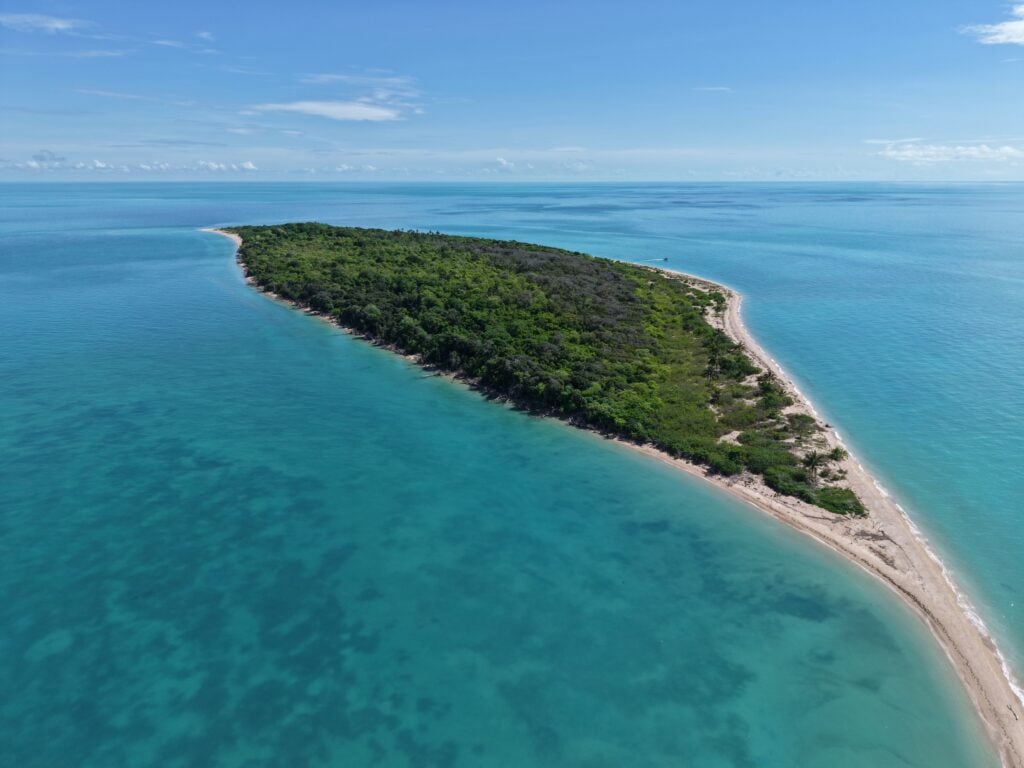
Torres Strait Traditional Owners, leaders and community members have welcomed the Australian Government’s funding announcement to support the region’s first rat eradication project on Warul Kawa/Leberen (Deliverance Island) in the western cluster.
The sacred island has faced a persistent rat infestation since the 1980s despite many attempts to control the pest.
Home to deep spiritual values and stories, it may soon be rat free after decades of careful community consideration, local monitoring, advocacy and leadership.
Traditional Owners from Boigu, Dauan, Saibai, Mabuiag and Badu represented by the Maluilgal Registered Native Title Body Corporate (RNTBC) will lead the project with support from the Torres Strait Regional Authority (TSRA), including local Island rangers.
Despite its small size (43 hectares), Warul Kawa’s strategic location plays a key role in the East Asian–Australasian Flyway, supporting nationally significant migratory birds and turtles, as well as regional biodiversity across the Torres Strait.
Following a successful trial late last year, the team will use drones to drop targeted aerial baits across the island with the aim to remove every last rat, while protecting the diverse environment.
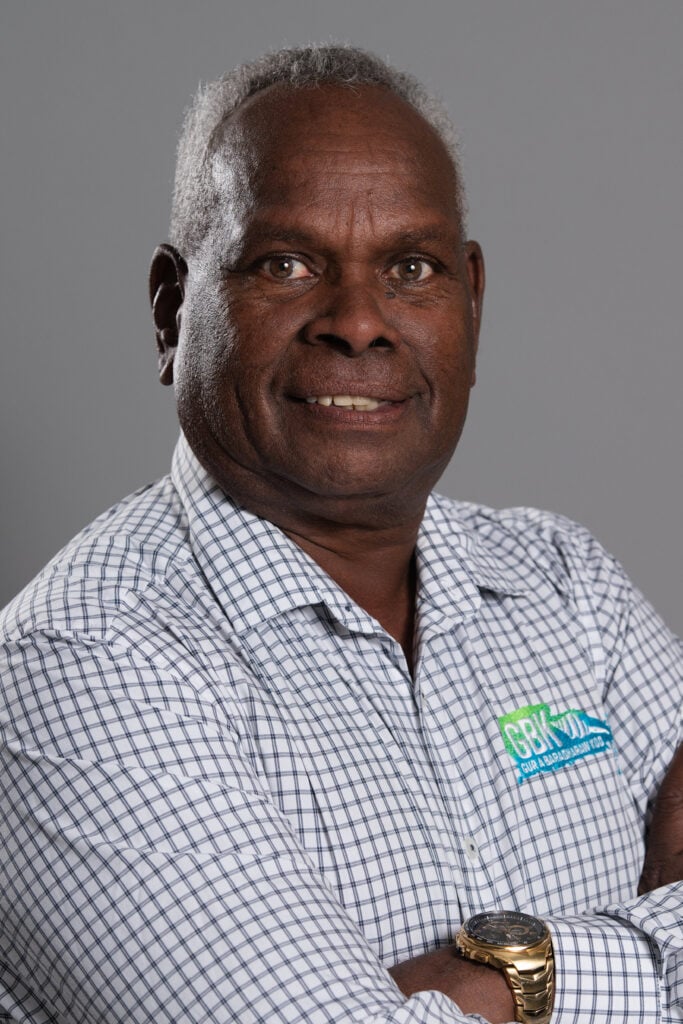
Maluilgal RNTBC Chair Keith Pabai said the project would help protect culturally significant plants and animals.
“We say that Warul Kawa is where the sun sets on the Torres Strait,” Mr Pabai said.
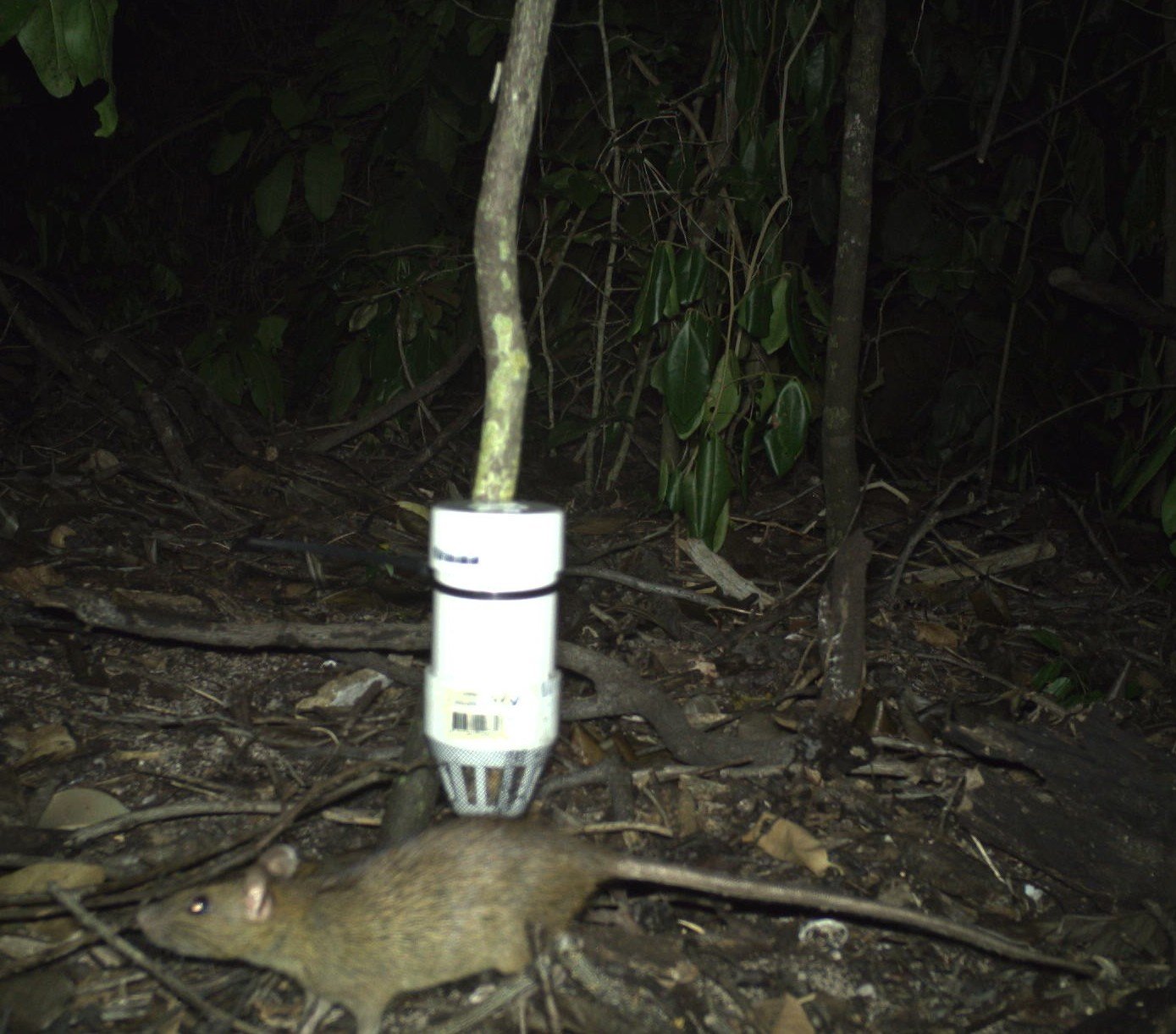
“Black rats or what we call makas eat and destroy local plants and animals that are important to our culture.
“This project values our spiritual protocols and cultural authority – Kuiku Mabaigal – alongside science and technical expertise for the best solution.
“We feel proud knowing this project more than 15 years in the making has respected our culture and community values every step of the way.
“By doing this, we hope to show other communities what they can achieve too.”
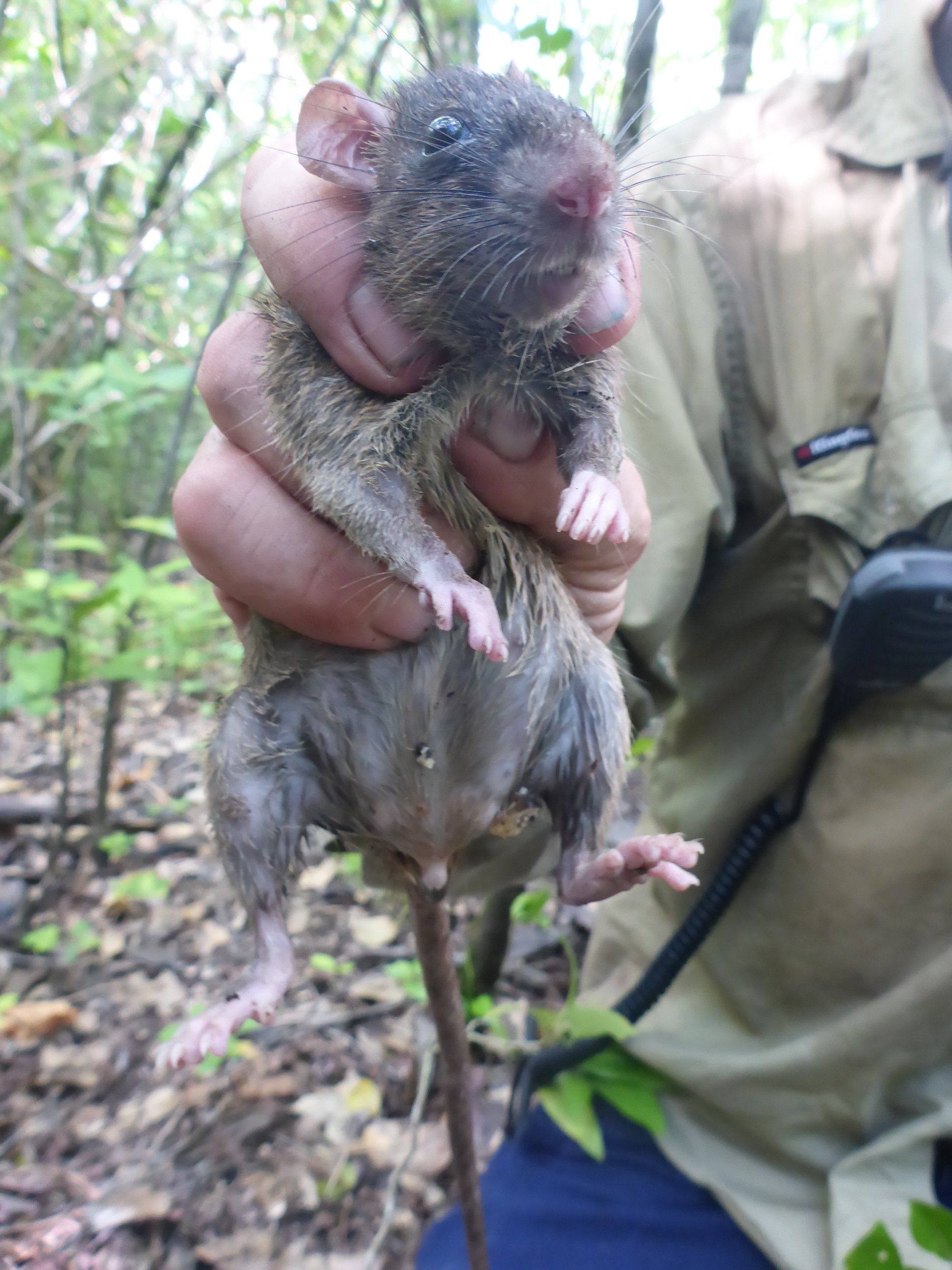
The invasive rat species – which breeds year-round as the island provides plenty of food and shelter – preys on Waru Kazi (turtle hatchlings), Sara (terns) and Dua (noddies), eating both eggs and chicks. They also eat Ubar (Wongai) and Piner (Pisonia grandis) fruit and seeds, making it hard for these culturally and environmentally important plants to grow back.
TSRA Chairperson George Nona said the project demonstrated the strength of local-led environmental management in the Torres Strait.
“The Warul Kawa rat eradication project is an example of how government can listen to and work with Traditional Owners and First Nations communities,” Mr Nona said.
“From start to finish, this project has been delivered in a way that respects cultural authority and protocols.
“This cultural leadership by Traditional Owners, supported through a unique partnership with TSRA, has secured critical funding for a solution that embraces both traditional knowledge and science.”
The drone work is planned for late 2026 when the north winds and dry conditions – known locally as Naigai Thonar season – provide ideal weather.
Traditional Owners will deliver all aspects of the project from important cultural ceremonies to vessel logistics and site monitoring.
Warul Kawa is part of the Ugul Malu Kawa Indigenous Protected Area (IPA). IPAs are areas of land and waters managed by First Nations groups to protect biodiversity and cultural heritage.
More than $1.5 million in Australian Government funding is supporting the TSRA to help the western Torres Strait prepare for a potential outbreak of H5 avian influenza (bird flu). While H5 bird flu has not reached Australia yet, it is important to still prepare to help keep native species safe.
Healthy habitats, with threats like rats controlled or removed, give animals the best chance against the potential impacts of H5 bird flu.
This project is supported as part of the Australian Government’s broader $100 million investment to prepare for H5 bird flu. This includes $35.9 million for environment measures. Find out more at dcceew.gov.au/birdflu.